The First-Pass Metabolism Dilemma
When you swallow a dietary supplement or pharmaceutical tablet, it does not immediately enter your systemic bloodstream. Instead, it enters the gastrointestinal tract, is absorbed through the intestinal epithelium, and is transported via the portal venous system directly to the liver.
In the liver and gut mucosa, specialized metabolic enzymes break down, modify, or eliminate a high percentage of ingested molecules before they can enter general circulation. In clinical pharmacology, this filtration is termed first-pass hepatic clearance.
The Arginase Enzyme: Why Arginine Fails Alone
L-Arginine is exceptionally susceptible to this hepatic barrier. The human gastrointestinal tract and liver are saturated with an enzyme named arginase (specifically Arginase I in the liver and Arginase II in the kidneys and vascular endothelium).
When oral L-Arginine arrives in the gut and portal circulation, arginase rapidly cleaves it into urea and L-ornithine. Clinical pharmacokinetic studies show that between 50% and 60% of an oral L-Arginine dose is eliminated during this first pass. Consequently, high oral doses often cause osmotic gastrointestinal distress (diarrhea and abdominal cramping) while delivering only a modest, fleeting spike in plasma arginine levels.
Enter L-Citrulline: The Renal Conversion Route
This is where L-Citrulline represents a genuine molecular breakthrough. L-Citrulline is a neutral, non-protein alpha-amino acid that is completely ignored by intestinal and hepatic arginase enzymes.
How L-Citrulline Overcomes the Liver Barrier:
- Intestinal Uptake: L-Citrulline is absorbed intact across the gut wall via sodium-independent amino acid transporters.
- Liver Immunity: It glides through the liver without being degraded by hepatic arginase.
- Renal Synthesis: Upon reaching the kidneys, the proximal convoluted tubule cells take up citrulline and utilize two enzymes—argininosuccinate synthetase and argininosuccinate lyase—to synthesize fresh, pure L-Arginine directly into systemic circulation.
In a randomized crossover study conducted by Schwedhelm et al. and published in the British Journal of Clinical Pharmacology, oral L-Citrulline administration actually produced a greater and more sustained elevation in plasma L-Arginine and urinary nitrate excretion than equivalent doses of direct L-Arginine itself!
Why Combining Both Is Genuinely Smart Formulation
Some critics argue that if L-Citrulline is superior, a formula should contain only Citrulline. However, clinical vascular physiology shows that pairing direct L-Arginine (and AAKG) with L-Citrulline provides a dual-phase pharmacokinetic curve:
- Phase 1 (Immediate Substrate): The direct L-Arginine fraction provides an immediate pool of substrate for endothelial eNOS activation during the first 60 minutes after ingestion.
- Phase 2 (Sustained Reservoir): The L-Citrulline fraction delivers sustained renal conversion over 4 to 8 hours, preventing the sharp drop-off typically seen with plain arginine supplements.
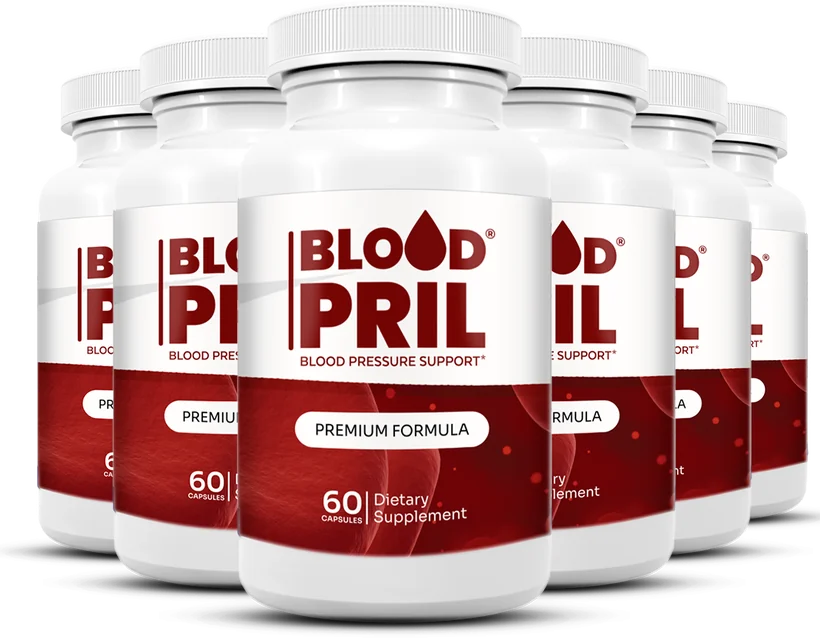
This dual-phase mechanic is precisely why BloodPril unites L-Arginine HCl, AAKG, and L-Citrulline Malate in a single, synergistic 500mg daily matrix.
Experience The BloodPril® Nitric Oxide Advantage
Target arterial flexibility, peripheral circulation, and healthy blood pressure with our triple-action amino acid matrix. Backed by our ironclad 60-day money-back guarantee.